
How Does Jet Washing Actually Work? A Complete Guide by Tidy Spaces
If you've ever wondered how professionals make patios, driveways, and walls look brand new again, the secret is often jet washing. This powerful cleaning method might seem straightforward, but there's a science behind it. At Tidy Spaces, we understand that knowing how jet washing works can help you appreciate its efficiency and safety. Let's break it down.
What Is Jet Washing?
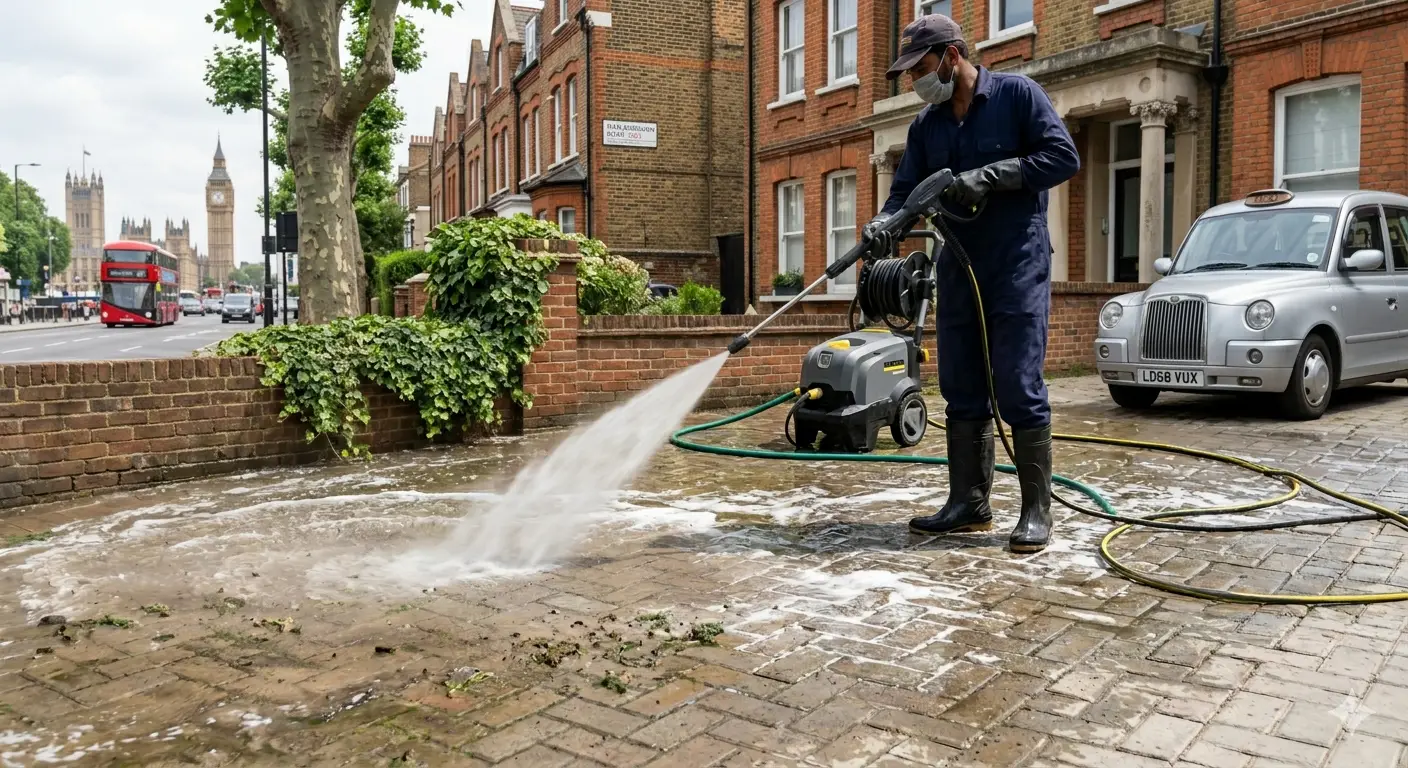
Jet washing, also known as pressure washing, is a cleaning technique that uses highly pressurized water to remove dirt, mold, grime, and algae from surfaces. Unlike traditional cleaning methods, which rely on scrubbing or chemicals, jet washing harnesses the force of water to achieve deep, thorough cleaning in less time.
Professionals use specialized machines capable of delivering water at pressures ranging from 1,000 to over 4,000 PSI, depending on the surface being cleaned.
The Science Behind Jet Washing
At its core, jet washing relies on kinetic energy. The machine pumps water at high velocity through a nozzle, creating a focused stream. This stream hits the surface with tremendous force, dislodging dirt particles, moss, and other debris.
The nozzle's design also allows the water to maintain a concentrated pressure, which increases its cleaning power without spreading water wastefully. The water's speed and the nozzle angle are critical—they determine how effectively dirt is removed without causing surface damage.
Components of a Jet Washing System
Understanding the machinery helps explain how jet washing works:
- Water Pump: The pump increases water pressure and pushes it through the hose.
- Nozzle: Directs and focuses the water stream. Adjustable nozzles can create wider sprays or concentrated jets.
- Pressure Hose: Connects the pump to the nozzle and withstands high-pressure water flow.
- Detergent Tank (Optional): Some systems allow adding eco-friendly cleaning solutions for stubborn stains.
- Trigger Gun: Controls water flow, giving the operator precision and safety.
Each component works together to ensure efficient and safe cleaning. Professional operators, like the team at Tidy Spaces, know exactly how to adjust these elements for different surfaces.
Step-by-Step Process of Jet Washing
- Surface Preparation: Clear loose debris and protect delicate areas.
- Machine Setup: Connect the pump, hose, and nozzle, and adjust pressure based on the surface type.
- Application: Direct the water stream at the surface in smooth, overlapping motions to ensure even cleaning.
- Use of Detergents (If Needed): Apply eco-friendly cleaning solutions to remove stubborn stains.
- Rinse and Inspect: Thoroughly rinse away dirt and detergent residues, and inspect the surface for missed spots.
This systematic approach ensures maximum effectiveness while minimizing the risk of damage.
Why Jet Washing Works Better Than Traditional Cleaning
- High Pressure: Removes dirt without excessive scrubbing.
- Water Efficiency: Concentrated streams reduce water waste.
- Time-Saving: Covers large areas quickly compared to manual cleaning.
- Surface Restoration: Revives the appearance of worn patios, walls, and driveways.
- Eco-Friendly: Often requires little to no chemical cleaners.
By understanding the mechanics, it's clear why jet washing has become a go-to solution for homeowners and commercial properties alike.
Safety and Best Practices
While jet washing is effective, improper use can be dangerous:
- Always maintain a safe distance from surfaces.
- Avoid using high pressure on delicate areas like windows or painted wood.
- Wear protective gear, including goggles and gloves.
- Test on a small area before full application.
- Follow manufacturer guidelines or hire professionals to ensure safety and quality results.
Professional vs. DIY Jet Washing
While some homeowners try jet washing themselves, professional services like Tidy Spaces offer distinct advantages:
- Access to high-grade, commercial equipment.
- Knowledge of proper pressure levels for different surfaces.
- Efficient and fast cleaning for large or complex areas.
- Reduced risk of accidental damage.
For best results, especially for large driveways, patios, or commercial properties, professional jet washing is recommended.
Frequently Asked Questions (FAQs)
Q1: Is jet washing safe for all surfaces?
Not always. Delicate surfaces like soft wood or painted walls may require lower pressure or specialized techniques.
Q2: Do I need chemicals to jet wash?
Not necessarily. High-pressure water often removes most dirt. Detergents are only needed for stubborn stains.
Q3: Can I use a jet washer on my car?
Yes, but use low pressure to avoid paint damage. Professional car cleaning services provide the safest option.
Q4: How often should I jet wash my driveway?
Typically, 1–2 times per year is enough to maintain appearance and prevent moss buildup.
Q5: How long does a professional jet wash take?
Depending on surface size, it can take anywhere from 30 minutes to a few hours.