
The Ultimate Guide to Jet Washing: Everything You Need to Know
Keeping your outdoor spaces clean can feel like a never-ending task, especially when dirt, moss, and grime build up over time. That's where jet washing comes in. Powerful, efficient, and surprisingly satisfying, jet washing is one of the best ways to restore surfaces and bring them back to life.
In this ultimate guide by Tidy Spaces, we'll walk you through everything you need to know about jet washing from how it works to tips for getting professional-level results.
What Is Jet Washing?
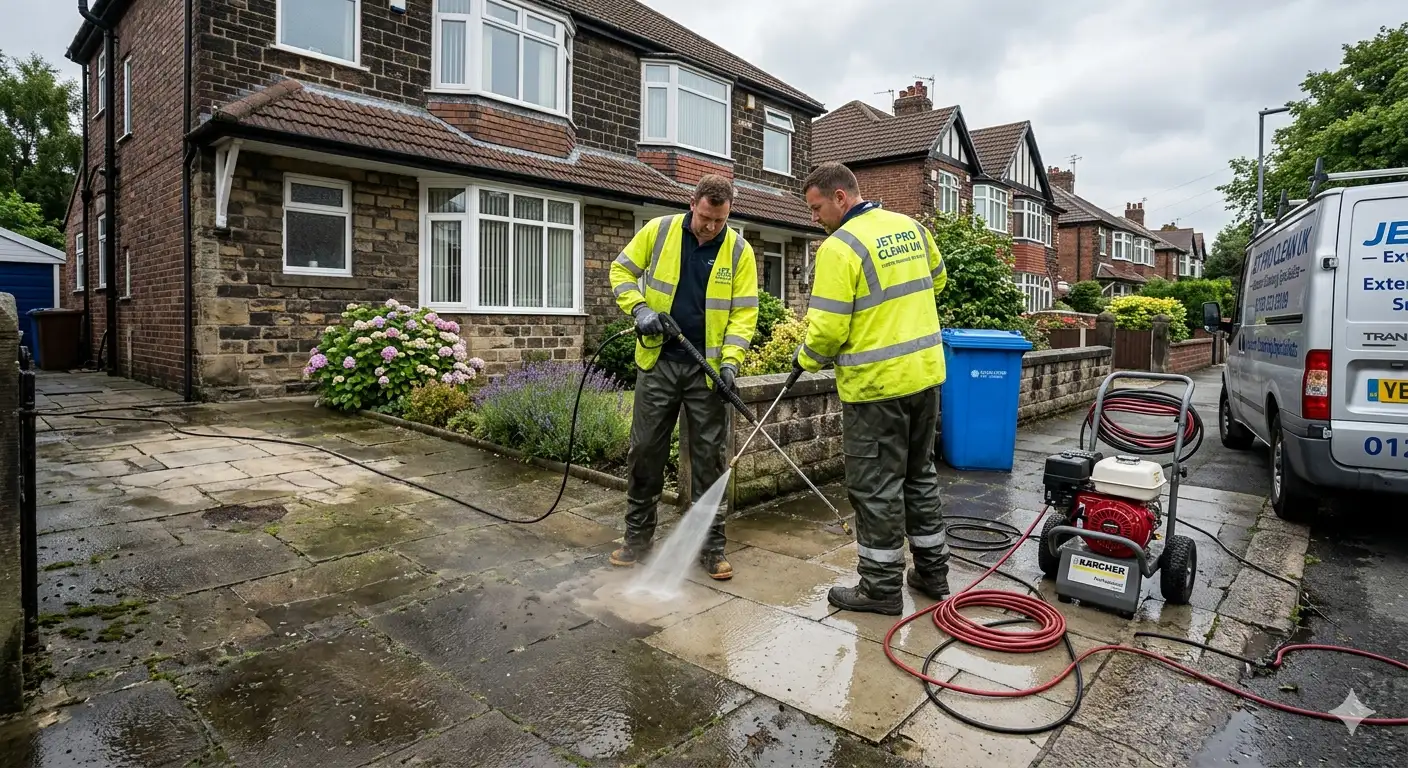
Jet washing, also known as pressure washing, is a cleaning method that uses a high-pressure stream of water to remove dirt, algae, mold, grease, and other debris from surfaces. It's commonly used for outdoor cleaning tasks such as driveways, patios, walls, and decking.
Unlike traditional cleaning methods, jet washing doesn't rely heavily on chemicals. Instead, it uses the force of water to break down and wash away stubborn buildup.
How Does Jet Washing Work?
A jet washer works by drawing water from a source (like a hose) and pushing it through a motor-powered pump. This increases the water pressure significantly, allowing it to blast away grime effectively.
Most jet washers come with adjustable nozzles, so you can control the intensity of the spray. This is important because different surfaces require different pressure levels to avoid damage.
Benefits of Jet Washing
Jet washing offers a range of benefits that make it a popular choice for homeowners and businesses alike:
1. Deep Cleaning Power
It removes years of dirt, mold, and stains that regular cleaning simply can't handle.
2. Time-Saving
Large areas can be cleaned quickly, making it ideal for busy homeowners.
3. Improves Appearance
A freshly cleaned driveway or patio instantly enhances the look of your property.
4. Prevents Damage
Removing moss and algae helps prevent slippery surfaces and long-term wear.
5. Eco-Friendly Option
Since it relies mainly on water, it reduces the need for harsh chemicals.
Common Surfaces You Can Jet Wash
Jet washing is versatile and can be used on many surfaces, including:
- Driveways and pathways
- Patios and paving stones
- Decking (wood or composite)
- Exterior walls and brickwork
- Fences and garden furniture
- Garage floors
However, not all surfaces are suitable. Delicate materials like old wood or damaged concrete require extra care.
Important Things to Consider Before Jet Washing
1. Choose the Right Pressure Level
Using too much pressure can damage surfaces, while too little may not clean effectively. Always match the pressure to the surface.
2. Test a Small Area First
Before cleaning a large space, test a small, hidden section to ensure there's no damage.
3. Use the Correct Nozzle
Different nozzles create different spray patterns. A wider spray is safer for delicate surfaces, while a narrow spray is more powerful.
4. Watch for Electrical Hazards
Avoid spraying near electrical outlets, lights, or appliances.
5. Protect Surrounding Areas
Cover plants, windows, and nearby items to prevent accidental damage.
Step-by-Step Guide to Jet Washing
If you want professional results, follow these simple steps:
Step 1: Clear the Area
Remove furniture, debris, and loose dirt from the surface.
Step 2: Apply Detergent (Optional)
For heavily soiled areas, apply a suitable cleaning solution and let it sit for a few minutes.
Step 3: Start with Low Pressure
Begin with a lower setting and gradually increase if needed.
Step 4: Maintain a Safe Distance
Keep the nozzle at a consistent distance from the surface to avoid uneven cleaning.
Step 5: Use Even Strokes
Move the jet washer in smooth, overlapping motions for consistent results.
Step 6: Rinse Thoroughly
Wash away all loosened dirt and detergent for a clean finish.
Jet Washing vs. Traditional Cleaning
You might wonder how jet washing compares to regular cleaning methods.
| Feature | Jet Washing | Traditional Cleaning |
|---|---|---|
| Efficiency | High | Moderate |
| Time Required | Low | High |
| Water Usage | Moderate | Low |
| Cleaning Depth | Deep | Surface-level |
Jet washing clearly stands out when it comes to tackling stubborn dirt and large outdoor areas.
Safety Tips for Jet Washing
Jet washing is effective, but it can also be dangerous if not handled properly. Here are some essential safety tips:
- Wear protective gear such as gloves and safety glasses
- Never point the jet at people or pets
- Avoid using ladders while jet washing
- Keep a firm grip on the machine
- Turn off the washer when not in use
DIY vs. Professional Jet Washing
While many homeowners choose to rent or buy a jet washer, hiring professionals like Tidy Spaces has its advantages:
- DIY: Cost-effective for small jobs, convenient for occasional use
- Professional Service: Expert handling and techniques, access to advanced equipment, guaranteed results, saves time and effort
If you're dealing with large or delicate areas, professional services are often the better choice.
How Often Should You Jet Wash?
The frequency depends on your environment and usage:
- Driveways & patios: Once or twice a year
- Decking: Annually or as needed
- Walls & fences: Every 1-2 years
Regular cleaning prevents buildup and keeps your property looking fresh year-round.
Final Thoughts
Jet washing is one of the most effective ways to maintain and enhance your outdoor spaces—but many people still wonder how Jet Washing Actually Works in delivering such powerful results. With the right approach, it can transform dull, dirty surfaces into clean, vibrant areas that improve your home's overall appearance.
Whether you decide to do it yourself or hire professionals like Tidy Spaces, understanding the process ensures you get the best results safely and efficiently.
FAQs
1. Is jet washing safe for all surfaces?
No, delicate surfaces like soft wood or damaged materials can be harmed if high pressure is used.
2. Do I need detergent for jet washing?
Not always. Water pressure alone is often enough, but detergents help with stubborn stains.
3. Can jet washing remove oil stains?
Yes, especially when combined with a suitable cleaning solution.
4. How long does jet washing take?
It depends on the size of the area, but most jobs can be completed within a few hours.
5. Is jet washing environmentally friendly?
Yes, as it reduces the need for harsh chemicals and uses water efficiently.