

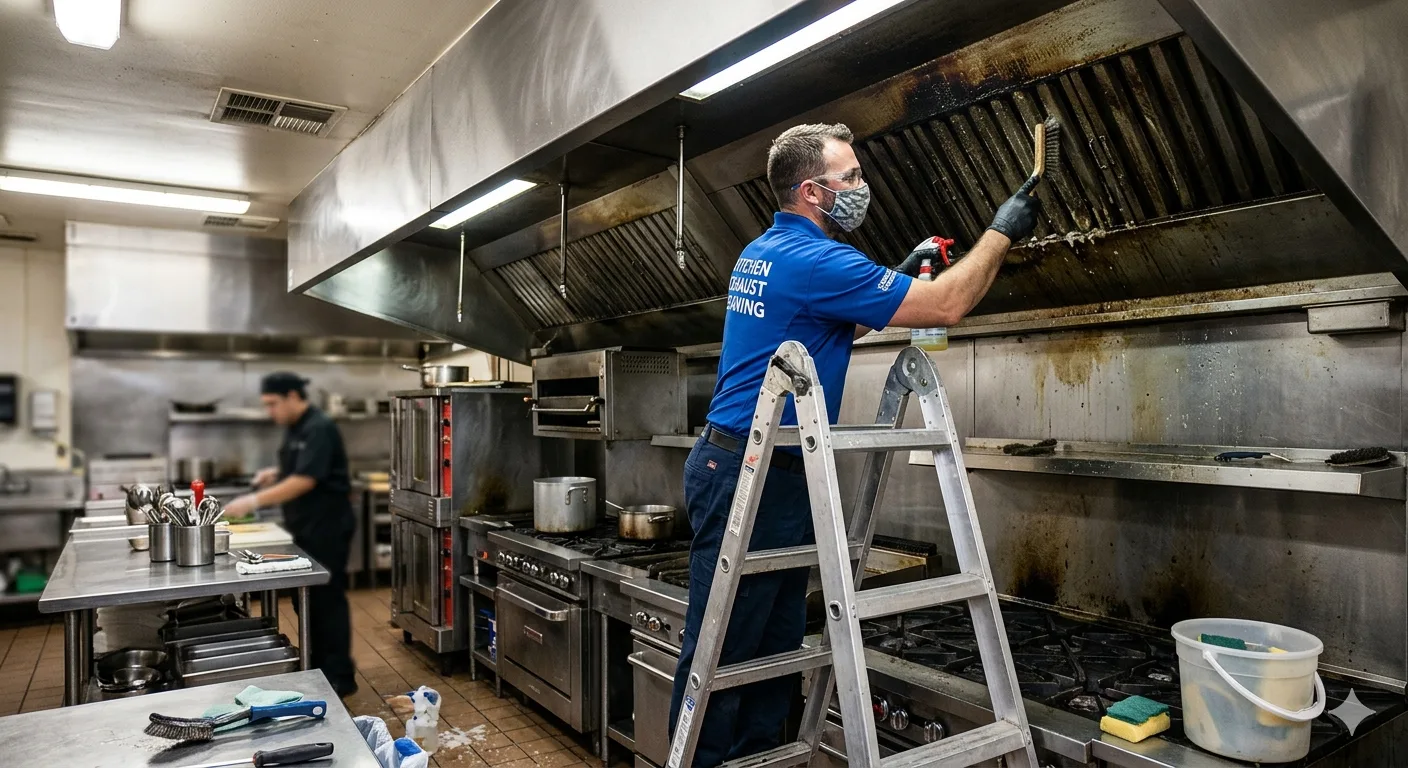
Kitchen Canopy Cleaning: A Complete Guide
A clean kitchen is essential for maintaining hygiene, safety, and efficiency in any home or commercial cooking space. One of the most important yet often overlooked parts of kitchen maintenance is Canopy Cleaning. The kitchen canopy, also known as a range hood or exhaust hood, plays a vital role in removing smoke, grease, heat, and odors generated during cooking.
Over time, grease and dust can build up inside the canopy system, reducing its performance and even creating fire hazards. Regular cleaning ensures that the ventilation system works efficiently while keeping the kitchen environment safe and healthy. At Tidy Space, we understand the importance of maintaining a spotless and functional kitchen canopy system. This complete guide explains why canopy cleaning is necessary and how it can help protect your kitchen.
Benefits of Regular Canopy Cleaning
Better Air Quality
Fire Safety
Kitchen Hygiene
Energy Efficiency
Equipment Longevity
Safety Compliance
What Is Kitchen Canopy Cleaning?
Kitchen Canopy Cleaning refers to the process of removing grease, smoke residue, dust, and other contaminants from the canopy system. This includes cleaning the canopy filters, ducts, fans, and external surfaces.
During cooking, grease particles rise with hot air and get trapped inside the canopy filters. Over time, these particles accumulate and create thick layers of grease. Without proper cleaning, this buildup can block airflow and reduce ventilation efficiency.
Regular canopy cleaning ensures that the entire ventilation system remains clean and operates at peak performance.
Why Canopy Cleaning Is Important
Improves Kitchen Air Quality
One of the main purposes of a kitchen canopy is to remove smoke, steam, and cooking odors from the air. When filters become clogged with grease, the canopy cannot effectively remove these pollutants.
Routine Canopy Cleaning keeps the ventilation system working properly, allowing fresh air to circulate in the kitchen. This improves indoor air quality and creates a more comfortable cooking environment.
Reduces Fire Risks
Grease buildup inside the canopy is highly flammable. If grease accumulates in the filters and ducts, even a small spark can lead to a serious fire hazard.
Regular cleaning removes grease deposits and significantly lowers the risk of fire. For restaurants and commercial kitchens, proper canopy maintenance is especially important for meeting fire safety regulations.
Maintains Kitchen Hygiene
A dirty canopy can quickly become a breeding ground for bacteria and unpleasant odors. Grease buildup may also attract pests such as insects or rodents.
Consistent Canopy Cleaning ensures that the kitchen remains sanitary and hygienic. A clean ventilation system prevents contamination and helps maintain high food safety standards.
Improves Equipment Efficiency
When canopy filters are clogged with grease and dust, the ventilation system has to work harder to remove smoke and heat. This puts additional strain on the fan motor and other components.
Cleaning the canopy regularly helps maintain smooth airflow, allowing the system to work efficiently without consuming excessive energy. This not only improves performance but also reduces electricity costs.
Signs Your Kitchen Canopy Needs Cleaning
Many people forget to clean their kitchen canopy until problems begin to appear. Here are a few signs that indicate it is time for Canopy Cleaning:
- Strong cooking odors remain in the kitchen after cooking
- Grease dripping from canopy filters
- Reduced airflow or poor ventilation
- Excessive smoke in the cooking area
- Visible grease buildup on the canopy surface
If you notice any of these signs, it is important to schedule cleaning as soon as possible.
Steps Involved in Professional Canopy Cleaning
Professional cleaning services follow a thorough process to ensure every part of the canopy system is cleaned properly.
Filter Cleaning
The first step involves removing the canopy filters and soaking them in specialized cleaning solutions. This helps break down grease and stubborn residue.
Surface Cleaning
The exterior and interior surfaces of the canopy are cleaned to remove grease stains, dust, and cooking residue.
Duct and Vent Cleaning
Grease and debris inside the ducts are carefully removed to restore proper airflow. This step is essential for preventing fire hazards.
Fan and Motor Inspection
Professionals also inspect the fan and motor components to ensure they are working efficiently.
By following these steps, a professional service ensures the entire canopy system is thoroughly cleaned and functioning properly.
Filter Cleaning
Surface Cleaning
Duct Cleaning
Fan Inspection
How Often Should Canopy Cleaning Be Done?
| Kitchen Type | Cleaning Frequency |
|---|---|
| Home kitchens | Every 3–6 months |
| Small restaurants | Every 2–3 months |
| Busy commercial kitchens | Monthly cleaning may be required |
Regular cleaning schedules help prevent heavy grease buildup and keep the ventilation system operating efficiently.
Benefits of Professional Canopy Cleaning
While basic cleaning can be done occasionally, professional services provide a deeper and more effective solution. Experts have the tools and experience needed to remove grease from difficult areas inside the canopy system.
Deep cleaning of hard-to-reach areas
Professional-grade cleaning solutions
Thorough inspection of all components
Compliance with safety regulations
At Tidy Space, our team focuses on detailed canopy cleaning to ensure maximum safety and performance. Professional cleaning not only improves ventilation but also extends the lifespan of the canopy system.
Final Thoughts
Kitchen ventilation systems play a crucial role in maintaining a safe and comfortable cooking environment. However, without regular cleaning, grease buildup can reduce efficiency, create hygiene issues, and increase fire risks.
Routine Canopy Cleaning helps maintain proper airflow, improve air quality, and ensure kitchen safety. Whether it's a home kitchen or a commercial cooking space, keeping the canopy clean should always be a priority.
With expert services from Tidy Space, you can keep your kitchen canopy spotless, efficient, and reliable for years to come.
FAQs About Kitchen Canopy Cleaning
Q1: What is canopy cleaning?
A: Canopy cleaning is the process of removing grease, smoke residue, and dirt from kitchen canopy systems, including filters, ducts, and fans.
Q2: How often should canopy cleaning be done?
A: For residential kitchens, cleaning every 3–6 months is recommended, while commercial kitchens may require more frequent cleaning.
Q3: Why is canopy cleaning important for safety?
A: Grease buildup inside the canopy can become a fire hazard. Regular cleaning reduces this risk and keeps the kitchen safe.
Q4: Can I clean my kitchen canopy myself?
A: Basic cleaning can be done at home, but professional cleaning ensures deep removal of grease from ducts and internal components.
Q5: Does canopy cleaning improve ventilation?
A: Yes, cleaning removes grease buildup that blocks airflow, allowing the ventilation system to function more efficiently.
Q6: What are the signs that my canopy needs cleaning?
A: Common signs include persistent cooking odors, visible grease buildup, reduced airflow, and excessive smoke during cooking.