
Importance of Regular Gym Cleaning Practices
Stepping onto a sticky treadmill, gripping a barbell coated in chalk and sweat, or breathing in the stale, humid air of a poorly ventilated locker room—these are the fastest ways to lose loyal members. In the modern fitness landscape, a solid workout programme and state-of-the-art equipment are simply not enough; meeting gym cleanliness standards is equally vital. Today, members expect a pristine environment where they can focus on their health without worrying about encountering harmful bacteria or unpleasant odours.
Proper gym cleaning is not just a behind-the-scenes task anymore. It is a key part of your brand's reputation and success. It also supports member retention and smooth daily operations. Prioritising exceptional gym hygiene communicates to your members that you value their health, safety, and comfort. It also underscores your approach to gym sanitation.
In this guide, we share practical strategies. We also outline clear protocols. We include proven techniques to improve your facility's cleanliness. We will also explain best practices for fitness center cleaning. For those seeking professional hygiene management solutions, our team at Tidy Spaces is ready to help elevate your facility's cleanliness standards.
The Tangible Value of High Gym Cleanliness Standards
Before diving into the practicalities of mops and microfibre cloths, it is essential to understand why elevated gym cleanliness standards matter. A fitness facility is a high-traffic, high-touch environment. Hundreds of individuals pass through daily, sharing equipment, breathing heavily, and inevitably leaving sweat behind.
Failing to maintain a rigorous cleaning regime can lead to:
- Decreased member retention: Studies consistently show that cleanliness is a top deciding factor for members choosing to renew their contracts.
- Negative online reviews: A reputation for being a "dirty gym" is incredibly difficult to shake and will actively deter new sign-ups.
- Health and safety hazards: Shared equipment can easily become a breeding ground for bacteria, viruses, and fungal infections.
- Premature equipment failure: Dust, chalk, and sweat can corrode internal mechanical parts and degrade upholstery, leading to costly replacements.
Establishing a culture of cleanliness ensures your facility remains a safe, welcoming, and premium environment. Partnering with providers who specialise in expert gym and leisure facility cleaning can make this goal significantly more achievable.
Establishing Robust Fitness Equipment Sanitation Protocols
A clean gym does not happen by accident. It requires a strategic approach, clear delegation, and consistent execution. To achieve this, management must design and enforce comprehensive fitness equipment sanitation protocols that reinforce overall gym sanitation.
Structuring Your Fitness Centre Sanitation Schedule
Ad-hoc cleaning is a recipe for missed corners and cross-contamination. You need a structured, time-bound fitness centre sanitation schedule that breaks tasks down into daily, weekly, and monthly responsibilities.
- Daily tasks: Emptying bins, wiping down high-touch points, cleaning toilets, hoovering high-traffic areas, and restocking sanitiser stations.
- Weekly tasks: Deep cleaning rubber flooring, descaling shower heads, dusting high-level vents, and disinfecting underneath heavy cardio machines.
- Monthly tasks: Steam cleaning carpets, deep cleaning sauna timber, and servicing HVAC filters.
To keep staff accountable, translate this schedule into an accessible gym cleaning checklist. A digital or laminated daily checklist ensures that whether it is the morning shift or the late-night closing team, the required standards are universally understood and met. Furthermore, having a comprehensive master gym cleaning list allows management to audit the facility properly and ensure no preventative maintenance is overlooked. This also supports consistent gym sanitation. Sometimes, achieving this depth of cleaning requires intensive deep cleaning procedures that go beyond routine maintenance.
Tackling High-Touch Areas and Equipment
The gym floor is the heart of your facility, and the equipment is where members spend the majority of their time. These areas require constant vigilance.
How Often Should Workout Machines Be Wiped Down?
A common question among new gym owners is: how often should workout machines be wiped down? The gold standard is that equipment should be sanitised immediately after every single use.
To achieve this, you must build a collaborative environment where members take responsibility for their own usage. Provide ample, highly visible cleaning stations. However, member participation does not absolve your staff. Dedicated cleaning teams should routinely cycle the floor, conducting thorough wipe-downs of all machines, screens, and handles every few hours to catch anything members may have missed.
Sanitising Wipes vs Spray Bottles
When equipping your member cleaning stations, you will inevitably face the debate of sanitising wipes vs spray bottles. Both have their merits, but they serve different purposes:
- Sanitising Wipes: Wipes are undeniably more convenient for members, encouraging higher compliance rates. Crucially, they prevent the issue of liquid seeping into the electronic components of expensive cardio machines. They do, however, generate more waste and can be more expensive in the long run.
- Spray Bottles: Sprays paired with paper towels or microfibre cloths are highly cost-effective and allow for broader surface coverage. However, members frequently over-spray directly onto digital screens or leave equipment dripping wet, which can degrade the mechanics over time.
For optimal results, many premium facilities use wipes for the cardio decks (to protect electronics) and provide spray bottles with non-toxic sanitisation for high-touch surfaces in the free-weight areas.
Disinfecting Weight Room Upholstery
Vinyl benches and padded machine seats take a battering. Sweat contains salt and oils that can prematurely crack and dry out upholstery. Furthermore, tiny tears in the vinyl can harbour harmful bacteria.
When disinfecting weight room upholstery, it is crucial to use a cleaner specifically formulated for vinyl and synthetic leather. Harsh, bleach-based chemicals will strip the plasticisers from the upholstery, causing it to crack. Instead, opt for a mild, pH-neutral disinfectant, ensuring it is left on the surface for the manufacturer's recommended "dwell time" before being gently wiped dry.
Deep Diving into Specialised Zones
A gym is a multi-purpose facility. The cleaning methods you use on a steel squat rack simply will not work in a humid steam room or a serene yoga studio.
Group Exercise Room Hygiene Standards
Studios host dozens of people breathing heavily in an enclosed space, making group exercise room hygiene standards an absolute priority.
Between high-intensity spin classes and floor-based pilates sessions, studios require rapid turnaround cleaning. Ensure the floors are swept between sessions to remove hair and debris, and heavily ventilate the room to refresh the air supply.
When it comes to shared studio equipment, establishing a routine for how to disinfect yoga mats naturally is a brilliant way to maintain hygiene without exposing members to harsh chemical smells during their final resting poses. A simple, highly effective natural solution can be made using equal parts distilled water and white vinegar, with a few drops of tea tree oil (a natural antibacterial agent) and lavender for a calming scent. Lightly mist the mats and wipe them down with a clean microfibre cloth before hanging them to air dry completely. If you're wondering how to clean gym mats, follow a similar approach for PVC or TPE mats, and use a neutral, pH-balanced cleaner with a microfibre cloth for studio foam tiles to preserve gym hygiene.
Preventing Infections in Wet Areas
Locker rooms, showers, and wet areas are the most challenging environments to maintain. The combination of heat, humidity, and bare feet creates the perfect breeding ground for dermatophytes (fungi) and staphylococcus bacteria.
Preventing staph infections in locker rooms requires relentless diligence.
- Floor care: Anti-slip mats should be lifted, scrubbed, and dried daily to prevent stagnant water from pooling.
- Benches and lockers: Wooden and laminate locker room benches must be disinfected multiple times a day.
- Airflow: Proper ventilation is non-negotiable. Humidity must be extracted to prevent black mould from taking hold on the ceilings and walls.
Similarly, deep cleaning sauna and steam rooms requires a specialist approach. In a steam room, daily scrubbing of the tile grout with an antimicrobial cleaner is vital to stop mildew. In a sauna, never use harsh chemicals like bleach or ammonia, as the high heat will vaporise them, creating toxic fumes for your members. Instead, use a mild solution of warm water and baking soda to scrub sweat stains from the wooden benches, followed by a light sanding every few months to reveal fresh, clean timber.
Flooring, Odours, and Air Quality
Your facility's floors take the brunt of dropped weights, muddy trainers, and spilled water bottles. Managing these surfaces correctly extends their lifespan and drastically improves the look and smell of your gym.
Caring for Turf and Rubber Matting
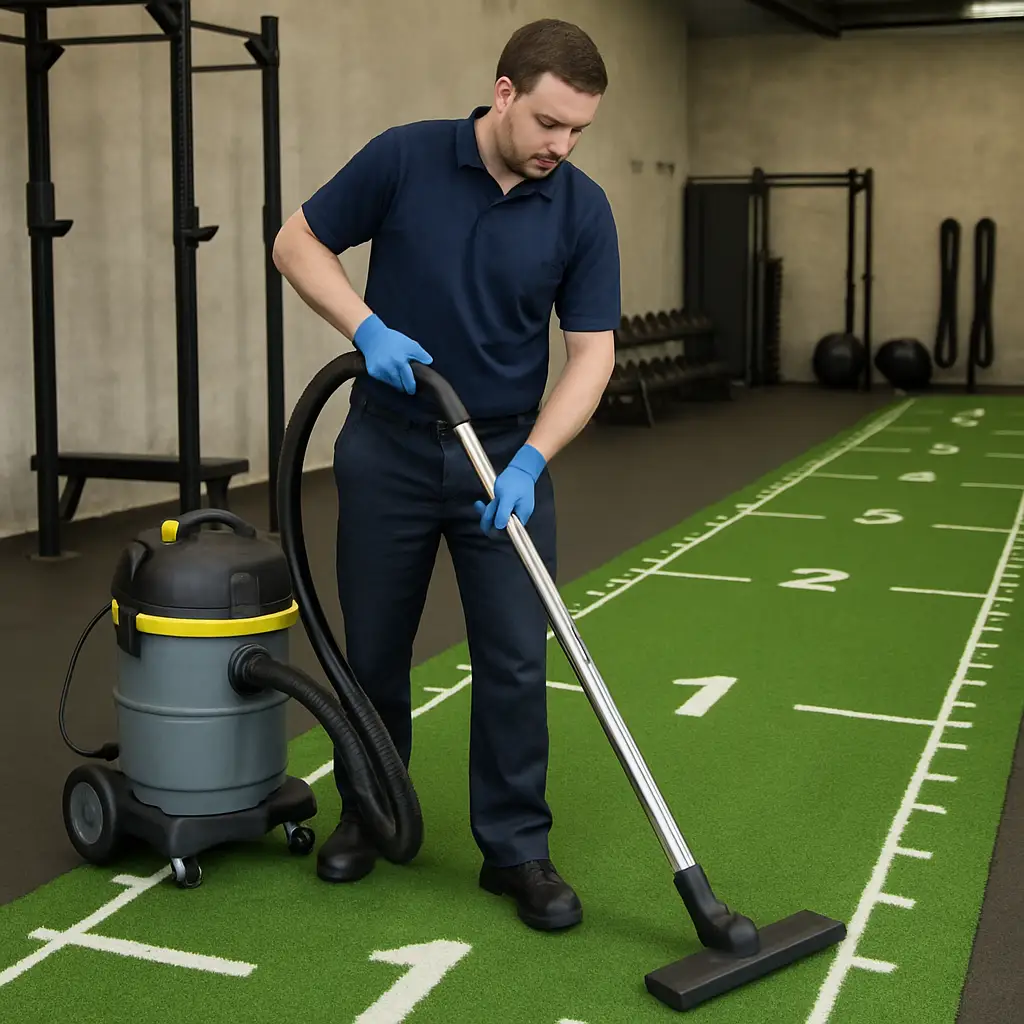
Artificial turf tracks for sled pushes and heavy rubber matting for deadlift platforms are staple features in modern health clubs.
When cleaning rubber, traditional floor detergents often leave a slick, dangerous residue. Using eco-friendly rubber floor cleaners ensures that the porous surface of the rubber is penetrated, lifting chalk and sweat without degrading the material or leaving a slippery film. A walk-behind scrubber dryer is highly recommended for large expanses of rubber flooring. As a quick reference on how to clean rubber gym floor: dry sweep or vacuum, apply a neutral pH rubber-safe cleaner, machine scrub with soft pads, rinse lightly, and allow to fully dry before reopening the area.
For artificial grass tracks, dirt, skin cells, and chalk quickly sink into the artificial pile. To effectively clean this, you must invest in the best commercial vacuum for turf and mats. Look for a vacuum with a highly aggressive, motorised brush roll that can agitate the artificial blades, lifting the crushed pile whilst simultaneously extracting the deep-seated debris.
Eliminating Sweat Odours from Exercise Areas
Nothing repels a prospective member faster than the lingering smell of body odour. Eliminating sweat odours from exercise areas cannot be achieved by simply masking the smell with heavy, synthetic air fresheners.
True odour elimination requires a three-pronged approach:
- Source removal: Deep clean soft furnishings, turf, and rubber flooring where sweat absorbs and bacteria multiply. Use enzymatic cleaners that actively break down the proteins in sweat.
- Air purification: Invest in high-quality HEPA filters and ensure your HVAC system is drawing in sufficient fresh outdoor air rather than just recirculating stale indoor air.
- Climate control: Keep the gym floor cool. A warmer gym causes members to sweat more and accelerates the off-gassing of foul odours from gym bags and equipment.
Sourcing the Right Products and Professional Help
The tools and chemicals you deploy for gym cleaning are just as important as the effort your team puts in. Using the wrong products can cause irreversible damage to your assets and put your members at risk.
Chemical Efficacy and Cross-Contamination
When selecting cleaning agents for gym sanitation, it is wise to look for industry-approved benchmarks. Even outside the US, cross-referencing products against the list of EPA-registered disinfectants for fitness centers ensures that the chemicals you are purchasing have been scientifically proven to kill resilient viruses, bacteria, and fungi within a specific timeframe.
Furthermore, you must train your staff on cross-contamination prevention in health clubs. The absolute best way to do this is by implementing a strict colour-coded microfibre cloth system. For example:
- Red cloths: Exclusively for toilets and urinals.
- Yellow cloths: For washroom sinks, mirrors, and locker room benches.
- Blue cloths: For general gym floor equipment and cardiovascular machines.
- Green cloths: For kitchenettes and staff break areas.
By enforcing this system, you guarantee that a cloth used to clean a toilet seat is never accidentally used to wipe down a treadmill console.
Knowing When to Call the Professionals
Maintaining a high-traffic fitness centre is an enormous logistical challenge. While smaller studios might manage with in-house staff, larger or premium facilities often benefit from outsourcing.
Whether you manage a sprawling leisure centre in Manchester or operate a gym cleaning service in Chicago, the foundational principles of hygiene remain universally vital. Outsourcing fitness center cleaning to a dedicated commercial contractor or partnering with a specialist gym cleaning company guarantees that staff are properly trained in COSHH (Control of Substances Hazardous to Health), fully insured, and equipped with industrial-grade machinery.
If you are a facility manager feeling overwhelmed by the sheer volume of daily maintenance, searching for "gym cleaning near me" and requesting quotes from specialised commercial cleaners might be the most cost-effective decision you make. A professional team can take over the heavy overnight deep cleaning, allowing your daytime staff to focus entirely on customer service and light, visible tidying.
Conclusion
The standard of your gym cleaning is a direct reflection of your brand's core values. In a competitive fitness market, immaculate hygiene is not a luxury; it is a fundamental baseline.
By implementing robust cleaning schedules, utilising the correct equipment, and understanding the unique requirements of different zones—from the free weights floor to the delicate timber of the sauna—you protect your members and your assets. Excellent gym hygiene fosters trust, guarantees peace of mind, and ultimately creates an environment where members are proud to train, eager to return, and confident to recommend to others. Invest in your cleanliness standards today, and watch your member loyalty soar.
Q&A
Question: Why are high cleanliness standards so critical in a gym?
Short answer: Cleanliness directly impacts member retention, reputation, safety, and asset longevity. Members rank cleanliness among the top reasons to renew; a "dirty gym" attracts negative reviews that deter new sign-ups; poor hygiene raises risks of bacteria, viruses, and fungal infections; and dust, sweat, and chalk accelerate equipment wear, leading to costly repairs and replacements.
Question: What does a robust gym sanitation protocol look like, and how do we keep staff accountable?
Short answer: Replace ad‑hoc cleaning with a time‑bound schedule and clear ownership. Daily: empty bins, wipe high‑touch points, clean toilets, hoover traffic areas, restock sanitiser. Weekly: deep clean rubber flooring, descale shower heads, dust high vents, disinfect under cardio machines. Monthly: steam clean carpets, deep clean sauna timber, service HVAC filters. Use digital/laminated checklists for each shift plus a master list for audits. Standardise products and methods: choose industry-proven disinfectants (cross‑reference EPA‑registered lists), and prevent cross-contamination with colour‑coded microfibre cloths (red toilets, yellow washrooms/benches, blue gym floor/cardio, green kitchens). If in‑house capacity is stretched, consider outsourcing to commercial contractors trained in COSHH, fully insured, and equipped with industrial machinery.
Question: How often should workout machines be wiped down, and who's responsible—members or staff?
Short answer: After every use is the gold standard. Provide abundant, visible cleaning stations and foster a culture where members wipe equipment immediately. This does not replace staff duties—have teams circulate every few hours to re‑sanitize machines, screens, and handles to catch misses and maintain consistency.
Question: Should we stock sanitising wipes or spray bottles at cleaning stations?
Short answer: Use a hybrid approach. Wipes are convenient, boost compliance, and protect electronics by preventing liquid seepage—ideal for cardio consoles. Sprays with paper towels or microfibre cloths are cost‑effective and cover large surfaces—best for free‑weight/high‑touch areas—provided staff coach proper use to avoid overspraying screens or leaving equipment wet.
Question: How do we prevent infections in wet areas and clean saunas/steam rooms safely?
Short answer: Prioritise floors, touchpoints, and airflow. Lift, scrub, and fully dry anti‑slip mats daily; disinfect benches and lockers multiple times per day; and ensure strong ventilation to curb humidity and mould. In steam rooms, scrub tile grout daily with an antimicrobial cleaner to stop mildew. In saunas, avoid bleach or ammonia (they can vaporise in heat); instead, use warm water with baking soda to remove sweat stains and lightly sand benches every few months to refresh the timber.