

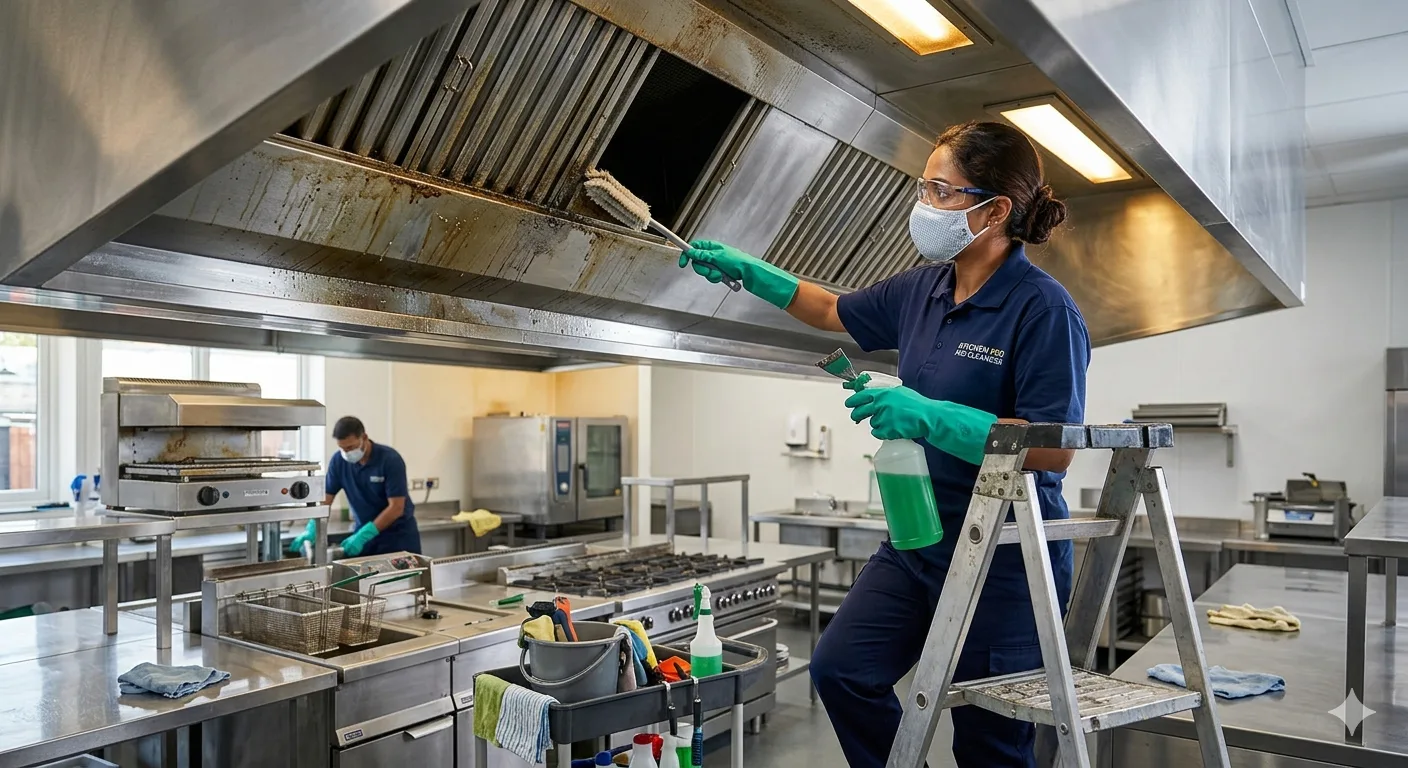
How to Clean Kitchen Canopy in 7 Steps
A clean kitchen is not only about sparkling countertops and spotless floors. One important area that often gets overlooked is the Kitchen Canopy. The canopy, also known as a range hood or exhaust hood, plays a vital role in removing smoke, grease, steam, and cooking odors from the kitchen. However, over time, grease and dirt accumulate inside the canopy system, reducing its efficiency and creating potential hygiene and safety issues.
Regular cleaning helps maintain proper airflow, improves air quality, and keeps your kitchen environment safe and comfortable. At Tidy Space, we believe that maintaining your kitchen equipment should be simple and manageable. In this guide, we will walk you through 7 easy steps to clean your kitchen canopy effectively.
Benefits of Regular Canopy Cleaning
Better Air Quality
Fire Safety
Kitchen Hygiene
Energy Efficiency
Equipment Longevity
Safety Compliance
Why Cleaning a Kitchen Canopy Is Important
Before jumping into the cleaning process, it's important to understand why maintaining a Kitchen Canopy is essential.
During cooking, hot air carries grease particles upward into the canopy system. These particles stick to filters, ducts, and internal surfaces. If not cleaned regularly, grease buildup can block airflow and even become a fire hazard.
Cleaning the canopy regularly offers several benefits:
✓ Improves kitchen air circulation
✓ Reduces grease buildup and fire risks
✓ Keeps the kitchen hygienic
✓ Maintains the efficiency of the ventilation system
✓ Extends the lifespan of the canopy equipment
By following the right cleaning routine, you can ensure that your canopy continues to work efficiently.
7 Easy Steps to Clean Your Kitchen Canopy
Turn Off the Power
Safety should always be your first priority. Before starting the cleaning process, switch off the power supply to the Kitchen Canopy. This prevents any electrical accidents while handling the equipment. If your canopy is connected to a plug, unplug it completely before beginning the cleaning process.
Remove the Canopy Filters
Most kitchen canopies have removable metal filters designed to trap grease and oil particles. These filters are usually located underneath the canopy. Carefully remove the filters according to the manufacturer's instructions. Handle them gently, especially if they are covered with thick grease buildup.
Soak the Filters in Warm Cleaning Solution
Fill a sink or large container with warm water and add a grease-cutting dish detergent or cleaning solution. Place the filters into the solution and allow them to soak for about 15–20 minutes. Soaking helps break down stubborn grease deposits and makes the cleaning process much easier. For heavily soiled filters, you may need to soak them longer.
Scrub the Filters Gently
After soaking, use a soft brush or non-abrasive scrubber to remove the remaining grease and dirt from the filters. Focus on the corners and small openings where grease tends to accumulate. Avoid using harsh materials that could damage the filter surface. Once cleaned, rinse the filters thoroughly with warm water.
Clean the Canopy Interior
While the filters are drying, you can start cleaning the inside of the Kitchen Canopy. Grease and dust often collect on internal surfaces over time. Use a soft cloth or sponge with a mild degreasing solution to wipe down the interior areas. Be careful when cleaning around electrical components or the fan motor. Regular cleaning of the interior helps maintain proper ventilation and prevents grease buildup.
Wipe the Exterior Surface
The outer surface of the canopy can also accumulate grease and fingerprints from daily cooking. Use a gentle cleaning solution and a microfiber cloth to wipe down the exterior. Cleaning the outer surface not only improves hygiene but also keeps your kitchen looking neat and polished.
Reassemble and Test the Canopy
Once the filters are completely dry, place them back into the Kitchen Canopy. Ensure they are properly secured before turning the power back on. Switch on the canopy and check if it is operating smoothly. Proper airflow indicates that the cleaning process has been successful.
How Often Should You Clean Your Kitchen Canopy?
The frequency of cleaning depends on how often you cook.
| Kitchen Type | Cleaning Frequency |
|---|---|
| Light home cooking | Clean every 2–3 months |
| Frequent home cooking | Clean every 1–2 months |
| Commercial kitchens | Cleaning may be required more frequently |
Regular maintenance prevents heavy grease buildup and keeps your canopy functioning properly.
What Is Kitchen Canopy Cleaning?
Kitchen Canopy Cleaning refers to the process of removing grease, smoke residue, dust, and other contaminants from the canopy system. This includes cleaning the canopy filters, ducts, fans, and external surfaces.
During cooking, grease particles rise with hot air and get trapped inside the canopy filters. Over time, these particles accumulate and create thick layers of grease. Without proper cleaning, this buildup can block airflow and reduce ventilation efficiency.
Regular canopy cleaning ensures that the entire ventilation system remains clean and operates at peak performance.
Key Benefits of Regular Canopy Cleaning
Improves Kitchen Air Quality
One of the main purposes of a kitchen canopy is to remove smoke, steam, and cooking odors from the air. When filters become clogged with grease, the canopy cannot effectively remove these pollutants. Routine cleaning keeps the ventilation system working properly, allowing fresh air to circulate in the kitchen.
Reduces Fire Risks
Grease buildup inside the canopy is highly flammable. If grease accumulates in the filters and ducts, even a small spark can lead to a serious fire hazard. Regular cleaning removes grease deposits and significantly lowers the risk of fire.
Maintains Kitchen Hygiene
A dirty canopy can quickly become a breeding ground for bacteria and unpleasant odors. Grease buildup may also attract pests such as insects or rodents. Consistent cleaning ensures that the kitchen remains sanitary and hygienic.
Improves Equipment Efficiency
When canopy filters are clogged with grease and dust, the ventilation system has to work harder to remove smoke and heat. This puts additional strain on the fan motor and other components. Cleaning the canopy regularly helps maintain smooth airflow, reducing electricity costs.
Signs Your Kitchen Canopy Needs Cleaning
Many people forget to clean their kitchen canopy until problems begin to appear. Here are a few signs that indicate it is time for cleaning:
- Strong cooking odors remain in the kitchen after cooking
- Grease dripping from canopy filters
- Reduced airflow or poor ventilation
- Excessive smoke in the cooking area
- Visible grease buildup on the canopy surface
If you notice any of these signs, it is important to schedule cleaning as soon as possible.
When to Consider Professional Cleaning
While regular home cleaning is helpful, some areas of the canopy system—such as ducts and internal fans—may require professional attention.
Deep cleaning of hard-to-reach areas
Professional-grade cleaning solutions
Thorough inspection of all components
Compliance with safety regulations
At Tidy Space, we provide professional cleaning services to ensure your Kitchen Canopy system is thoroughly cleaned and functioning efficiently. Professional cleaning removes deep grease buildup and ensures maximum ventilation performance.
Final Thoughts
Keeping your Kitchen Canopy clean is essential for maintaining a safe, hygienic, and comfortable cooking environment. Grease buildup can affect ventilation, reduce efficiency, and even create safety hazards if left unattended.
By following these 7 simple cleaning steps, you can keep your canopy in excellent condition and ensure it continues to remove smoke and odors effectively. Regular cleaning not only protects your kitchen equipment but also improves overall kitchen hygiene.
With consistent maintenance and occasional professional support from Tidy Space, your kitchen canopy will continue to operate efficiently for years to come.
FAQs About Kitchen Canopy Cleaning
Q1: How often should a kitchen canopy be cleaned?
A: For most homes, cleaning the kitchen canopy every 1–3 months is recommended depending on cooking frequency. For residential kitchens, cleaning every 3–6 months is standard, while commercial kitchens may require more frequent cleaning.
Q2: Can I clean the canopy filters in the dishwasher?
A: Yes, many metal filters are dishwasher safe, but it's best to check the manufacturer's instructions first.
Q3: What is the best solution for removing grease from canopy filters?
A: Warm water mixed with dish detergent or a degreasing solution works effectively for removing grease.
Q4: Why does my kitchen canopy smell bad?
A: Bad odors usually occur due to grease buildup or dirty filters. Regular cleaning can eliminate these smells.
Q5: Is professional canopy cleaning necessary?
A: Professional cleaning helps remove grease from deeper areas such as ducts and fans, ensuring the entire system works efficiently.