

8 Easy Tips to Clean Nail Polish Out of Carpeting
A stray drip of nail polish on your carpet can turn a great manicure into a cleaning disaster in seconds. Whether it was a slip of the bottle or an accidental brush of your hand, carpet fibers can hold onto nail polish stubbornly but don't panic. Even though polish dries fast and stains easily, there are effective, carpet‑safe ways to clean nail polish from your flooring without ruining the fibers.
In this guide from Tidy Spaces, we'll walk you through 8 easy tips to lift nail polish stains from acting fast the moment it happens to using household items or gentle chemical solutions. Let's dive in!
1. Act Fast and Blot Immediately
The key to success is fast action. As soon as you notice the polish spill, use a clean paper towel or white cloth to gently blot the stained area. The goal is to absorb as much of the polish as possible without rubbing, which only drives the pigment deeper into the carpet pile.
Work from the outside of the stain toward the center to prevent spreading.
2. Try a Homemade Nail Polish Remover Solution
If you'd rather avoid strong chemicals, you can sometimes tackle a fresh stain with DIY options:
Dish Soap + Water: Mix a teaspoon of gentle dish soap with cool water.
White Vinegar (Optional): Vinegar breaks down stains naturally and helps lift polish residue.
Using a homemade nail polish remover mixture like this is gentle on carpet fibres and ideal for newer or lighter stains. Blot with a cloth soaked in the solution, then rinse with cool water once the stain begins to fade.
3. Use Acetone Nail Polish Remover (with Caution)
Acetone nail polish remover is powerful and effective but it must be used carefully on carpet. Acetone is a strong solvent that can dissolve the polish, but it can also fade or damage certain carpet fibres, especially dark or coloured ones.
Here's how to use it safely:
Test a small hidden area first.
Apply a small amount of acetone‑based remover to a cotton ball or white cloth never pour it directly on the carpet.
Gently dab the stained area, letting the remover dissolve the polish.
Blot up with a clean cloth and then rinse with cool water.
Only use this method as a last resort or on sturdy, colourfast carpets.
4. Blot With Non‑Acetone Remover First
Before turning to acetone, try a non‑acetone version of nail polish remover instead. This is generally milder and less likely to affect carpet colour or texture. Dab a small amount onto a cloth and blot the stain gently avoid aggressive scrubbing.
This option is especially useful on lighter carpets or delicate fibres.
5. Work With Rubbing Alcohol or Hair Spray
If nail polish remover isn't available, everyday items like rubbing alcohol or high‑alcohol hairspray can help break down the polish. Apply a little to a cloth and gently blot the area the alcohol helps dissolve the polish molecules so they lift off the fibres.
Pro tip: Hair spray works especially well if the polish has dried.
6. Loosen Dried Polish Gently
If the polish has already dried, don't panic. Use a dull butter knife or spoon to carefully scrape away excess dried polish without tugging on the carpet fibres. Loosening the bulk of the polish first makes the cleaning process much easier.
Then treat the remaining stain with the cleaning methods above.
7. Rinse With Cool Water and Blot Dry
Once the stain begins to lift, rinse the area with cool water to remove any residue from cleaning solutions. Blot again with a clean cloth until the area is mostly dry. Avoid hot water it can set any leftover pigment deeper into the carpet.
8. Don't Be Afraid to Call a Professional
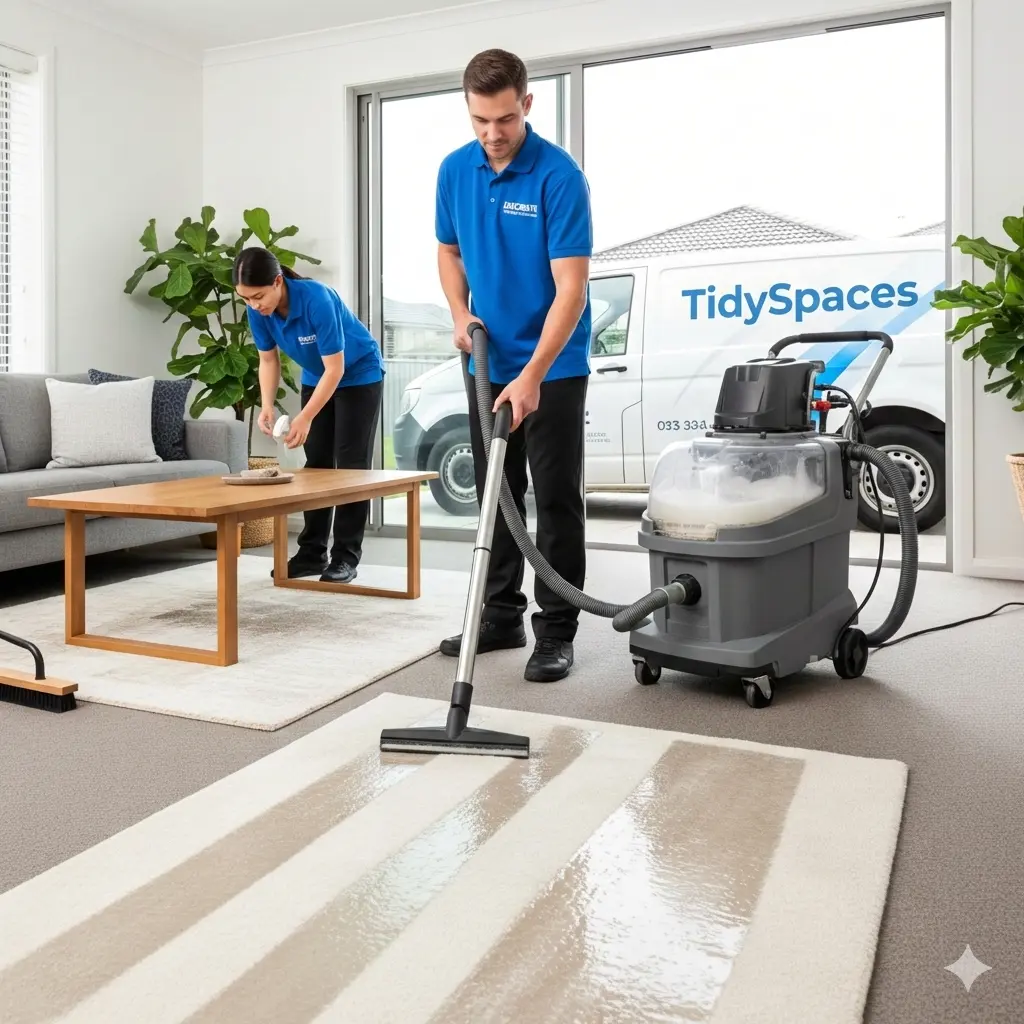
If the stain is large, deeply set, or on expensive or delicate carpet (like wool or patterned fibres), consider professional help. Professional cleaners use advanced solvents and equipment that can often remove stubborn stains without harming the carpet backing or fibres.
Tips & Safety Reminders
Always patch test cleaners in a hidden spot first to check for colourfastness.
Don't scrub vigorously this pushes polish deeper and risks matting your carpet fibers.
Work from the outside in to prevent spreading the stain.
Avoid acetone on dark carpets unless tested.
Wrap Up
Spilled nail polish on carpet can be alarming, but with the right tools and steps, you can often clean nail polish out successfully even without harsh chemicals. Whether you reach for a gentle homemade nail polish remover mix or use a stronger acetone product carefully, acting quickly and treating the stain properly gives you the best shot at restoring your carpet's beauty.
By following these 8 easy tips from Tidy Spaces, you'll be better prepared for future spills and your carpets will thank you!
Nail Polish on Carpet FAQs
Can nail polish be removed from carpet?
Yes, if you act quickly and use the right method. Blot fresh polish with a clean cloth, then treat what's left with a gentle solvent or an alcohol-based cleaner. Work from the outside of the stain inwards so it doesn't spread, and rinse the area with cool water once the colour has lifted.
Should I use acetone nail polish remover on carpet?
Acetone remover can lift polish, but it can also damage or discolour carpet fibres, especially synthetic ones. Always test it on a hidden spot first, such as inside a wardrobe. For delicate or coloured carpets, a non-acetone remover is the safer choice, even if it takes a little longer to work.
What is a safe homemade polish remover for carpets?
A mix of washing-up liquid and cool water is gentle on carpet fibres and works well on fresh spills. White vinegar is another option for small stains. Dab the mixture on with a cloth, blot it away and repeat until no more colour comes off, then rinse with clean water.
Can hairspray or rubbing alcohol help?
Yes. The alcohol in hairspray and rubbing alcohol helps break down polish so it lifts out of the fibres. Apply a small amount to a cloth rather than straight onto the carpet, blot gently and work from the outside in. Rinse afterwards so the hairspray doesn't leave a sticky patch.
What if the polish is already dry?
Scrape off as much of the dried polish as you can with a blunt tool, like a butter knife or an old card, taking care not to pull the fibres. Then treat the stain that's left with your chosen remover, blotting rather than rubbing until the colour comes away.