
Deep Cleaning Meaning: How to Define It Effectively
We all appreciate the feeling of walking into a freshly tidied room. The cushions are plumped, the surfaces are clear, and the floors have just been hoovered. However, there is a vast difference between surface-level tidiness and true hygiene. If you have ever wondered what it takes to elevate your home from 'neat' to 'immaculate', it is time to explore the true deep cleaning meaning.
Whether you are preparing for a new season, tackling a post-renovation mess, or simply looking to breathe life back into your property, understanding "what is deep cleaning" is the first step. In this comprehensive guide, we will unpack the precise deep cleaning definition, explore professional deep cleaning standards, and equip you with everything you need to know to transform your living space through a practical deep cleaning process.
What is Deep Cleaning? A Clear Definition
To accurately define deep clean, we must look beyond our daily or weekly chores. The meaning of deep cleaning refers to a meticulous, top-to-bottom scrubbing, sanitising, and detailing of your home. It focuses on tackling stubborn grime, targeting hard-to-reach areas, and lifting layers of dust that everyday housekeeping leaves behind.
When discussing the deep cleaning house meaning, we are talking about restoring a property to a near-new standard. It involves moving heavy furniture, addressing the internal workings of appliances, and treating fabrics. Ultimately, the true deep cleaning meaning is rooted in restorative home care rather than simple maintenance.
The Difference Between Regular and Deep Cleaning
Understanding the difference between regular and deep cleaning is crucial for effective home management.
- Regular Cleaning: This is your weekly maintenance. It includes tasks like wiping down kitchen worktops, doing the washing up, standard hoovering, and cleaning the toilet. The goal is simply to keep the home liveable and presentable.
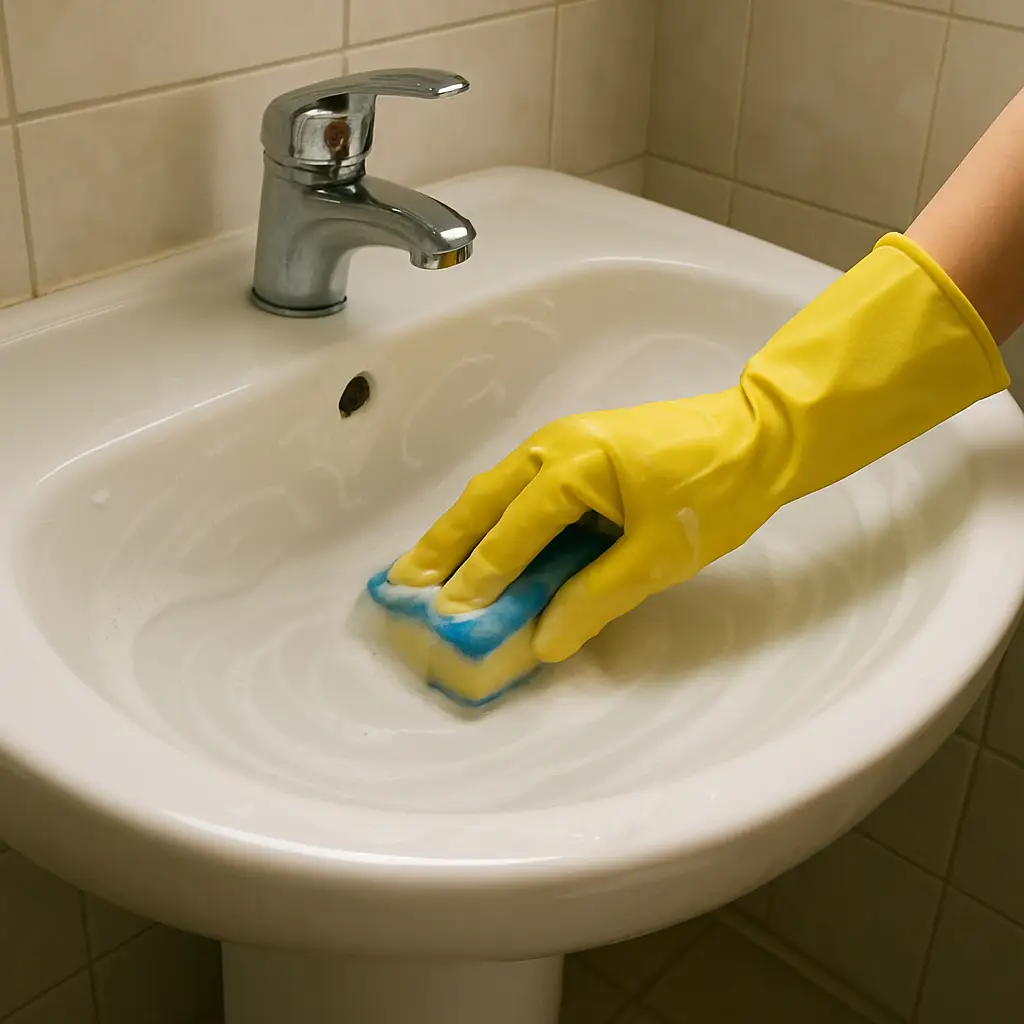
- Deep Cleaning: This is an intensive intervention. Instead of just wiping the kitchen worktop, you are descaling the tap, degreasing the oven, scrubbing the grout, and washing the skirting boards.
Sanitising vs Disinfecting vs Deep Cleaning
It is easy to confuse cleaning terminology. To clarify:
- Deep Cleaning: The physical removal of dirt, grease, and impurities from surfaces using detergents and physical effort.
- Sanitising: Reducing the number of bacteria on a surface to a safe level, often using mild chemical solutions.
- Disinfecting: Using stronger chemicals to actively kill viruses, bacteria, and fungi on contact.
A proper intensive clean usually incorporates all three, beginning with dirt removal and ending with targeted disinfection as part of a thorough deep cleaning process. For those seeking specialist cleaning and maintenance services, professional teams ensure all three phases are executed to the highest standard.
Signs Your Home Needs a Thorough Seasonal Scrub
How do you know when it is time to move beyond your standard routine? Here are the tell-tale signs your home needs a thorough seasonal scrub:
- Allergy Flare-ups: If you are sneezing or experiencing itchy eyes indoors, dust mites and pet dander have likely settled deep into your soft furnishings.
- Lingering Odours: Musty smells in the kitchen or bathroom indicate hidden mould or food build-up.
- Dull Surfaces: When your tiles, wooden floors, or windows lose their shine despite a regular wash, a heavy-duty scrub is required.
- Visible Dust on High Fixtures: Take a look at your ceiling fans, light fittings, and the tops of your wardrobes. If they are coated in grey fuzz, it is time for action.
What Does a Deep Clean Include?
If you are planning to tackle your home, you might be asking: exactly what does a deep clean include? A truly meticulous job requires a systematic approach. Below is a comprehensive room by room cleaning checklist to ensure no corner is spared.
The Kitchen
The kitchen is the heart of the home, but it is also a magnet for grease and food debris.
- Defrosting and scrubbing the inside of the freezer and fridge.
- Degreasing the extractor fan, hob, and oven interior.
- Emptying all cupboards to wipe down the internal shelves.
- Descaling the kettle, tap, and sink.
- Detailed cleaning of high-touch surfaces and appliances, including microwave buttons, fridge handles, and light switches.
The Bathroom
Bathrooms require special attention due to the constant presence of moisture.
- Scrubbing and bleaching tile grout to remove mildew.
- Soaking the showerhead to remove limescale blockages.
- Washing the shower curtain or scrubbing glass shower screens until streak-free.
- Sanitising behind the toilet and polishing all plumbing fixtures.
The Living Areas
In the lounge and dining areas, the focus shifts to dust removal and fabric care.
- Eliminating deep-seated dirt from carpets and upholstery using professional carpet shampooers or steam cleaners.
- Washing all soft furnishings, including curtains, cushion covers, and throws.
- Dusting behind heavy furniture like televisions, sofas, and bookcases.
- Polishing wooden furniture and washing the inside and outside of the windows.
The Bedrooms
A clean bedroom is vital for a good night's sleep.
- Flipping and hoovering the mattress.
- Washing all bedding, including duvet inners and mattress protectors.
- Clearing out wardrobes and wiping down the bases where dust gathers.
Essential Tools for Intensive Home Maintenance
You cannot achieve professional results without the right equipment. The essential tools for intensive home maintenance include:
- Microfibre Cloths: Perfect for trapping dust and buffing glass without leaving lint behind.
- A HEPA-Filter Hoover: Crucial for trapping microscopic dust particles rather than blowing them back into the room.
- Steam Cleaner: An excellent, chemical-free tool for blasting grease from grout and sanitising hard floors.
- Extendable Dusters: For reaching the tops of ceilings and tall light fixtures.
- Scrubbing Brushes: Stiff-bristled brushes, and even old toothbrushes, are vital for getting into tight crevices.
These essentials underpin effective deep cleaning techniques across the home.
The Ultimate Deep Cleaning Process: A Guide
If you prefer the DIY route, mastering the deep cleaning process requires strategy. Following a step-by-step whole house disinfection guide ensures efficiency and prevents you from undoing your own hard work. For those wanting to refine their approach, practical deep cleaning methods for better results can make the process significantly more efficient and thorough.
Step 1: Declutter First
Never try to deep clean around clutter. Remove rubbish, put away stray items, and clear all surfaces. You need a blank canvas before you bring out the cleaning supplies.
Step 2: Work Top-to-Bottom, Left-to-Right
This is one of the golden deep cleaning techniques used by professionals. Always start at the ceiling (dusting cobwebs, wiping light fittings) and work your way down to the floors. By moving systematically from left to right, you ensure you do not miss a single inch of the room.
Step 3: Tackle the Dust
Before introducing any wet sprays, do a 'dry clean'. Hoover the floors, dust the skirting boards, and wipe down the tops of doors. Removing dry dirt first prevents it from turning into muddy smears when you apply liquid cleaners.
Step 4: Focus on the Forgotten Areas
Pay special attention to the commonly overlooked areas during routine housekeeping. This includes wiping down the interior window frames, cleaning the tracks of sliding doors, sanitising the bottom of the rubbish bin, and dusting behind the radiators.
Step 5: The Wet Clean and Disinfection
Once the dust is gone, apply your detergents. Scrub the surfaces, let bathroom and kitchen chemicals sit for the recommended time to break down grime, and wipe everything away. Finish by wiping down door handles and worktops with an antibacterial spray to complete the sanitisation phase.
Step 6: The Floors
Always leave the floors until last. Hoover thoroughly, paying attention to the edges of the room. Follow up with a hot mop using an appropriate floor cleaner. For carpets, this is the time to bring in the carpet washing machine.
Deep Cleaning Benefits: Why Bother?
It is certainly hard work, so what makes this monumental effort worthwhile? The deep cleaning benefits are both aesthetic and functional.
First and foremost is the benefit of removing accumulated grime and hidden allergens. Over time, dust mites, pollen, and pet dander embed themselves deeply into our homes. By thoroughly extracting these irritants, you actively improve the indoor air quality.
This leads directly to the health benefits of a sterile living environment. A thoroughly sanitised home reduces the spread of seasonal bugs and provides immense relief to asthma and allergy sufferers. Furthermore, from a psychological standpoint, a meticulously clean home significantly reduces stress and promotes a sense of mental wellbeing and calm.
Additionally, regular intensive maintenance extends the lifespan of your property's assets. Carpets last longer when grit isn't wearing down their fibres, and appliances run more efficiently—and safely—when free of grease and limescale.
Professional Deep Cleaning Services vs DIY
While grabbing a pair of marigolds and doing it yourself is highly rewarding, it isn't always practical. This is where professional deep cleaning services step in. But how do you choose between doing it yourself and hiring the experts?
The Professional Edge
When you hire an agency, you are paying for professional sanitisation vs residential cleaning standards. Professionals arrive equipped with industrial-grade chemicals, high-powered steam cleaners, and heavy-duty extraction machines that the average homeowner simply doesn't possess. They are trained to spot mould, treat delicate fabrics safely, and execute tasks in half the time.
End of Tenancy Cleans
A common scenario requiring professional help is moving house. If you are wondering what is included in a move-out cleaning service, it is essentially the most rigorous deep clean possible. It generally guarantees that you will get your deposit back from your landlord. Move-out cleans include everything from professional carpet shampooing and inside-window washing to pulling out white goods to scrub the floors beneath them.
The Financial Investment
Naturally, hiring experts comes at a price. The average cost of professional intensive cleaning in the UK varies depending on the size of your property and your location. For a standard three-bedroom house, you can expect to pay anywhere between £150 and £350. While it is an investment, the time saved and the flawless finish achieved often make it incredibly worthwhile, especially for an annual spring clean.
Top Deep Cleaning Tips for a Pristine Home
To make your next big scrub as painless as possible, keep these expert deep cleaning tips in mind:
- Break it up: Do not try to deep clean a whole house in a single Saturday. You will end up exhausted. Dedicate one weekend to the kitchen and bathrooms, and the following weekend to the bedrooms and living areas.
- Let the products do the work: Spray your oven cleaner or shower descaler and walk away for 15 minutes. Allowing the chemicals time to break down the grime saves you hours of exhausting scrubbing.
- Keep it ventilated: When using strong chemicals or kicking up lots of dust, always keep the windows wide open to protect your lungs and allow fresh air to circulate.
- Use a caddy: Carry all your sprays, cloths, and brushes in a single bucket or caddy from room to room. It saves endless trips back and forth to the utility room.
How Often Should You Deep Clean Your Home?
A common question is: how often should you deep clean your home? As a general rule of thumb, a full top-to-bottom scrub should be carried out twice a year—typically in the spring and autumn.
However, certain tasks within the deep cleaning process require more frequent attention. For example, your oven should ideally be degreased every three to six months, and carpets in high-traffic areas benefit from being shampooed quarterly. Homes with large pets, young children, or allergy sufferers may require a comprehensive intensive clean every single quarter to maintain optimal hygiene.
Conclusion
Understanding the deep cleaning meaning is about recognising the immense value of a truly sanitised space. It goes far beyond the quick wipe-down and the weekly hoover. By knowing precisely what does a deep clean include, and by utilising the right tools and techniques, you can transform your property into a safe, hygienic, and wonderfully welcoming sanctuary.
Whether you choose to roll up your sleeves and follow a rigorous checklist, or you opt to invest in professional deep cleaning services, ensuring your home receives regular, intensive care is one of the best investments you can make in your property and your wellbeing.
Q&A
Question: What exactly is deep cleaning, and how is it different from regular cleaning, sanitising, and disinfecting?
Short answer: Deep cleaning is a meticulous, top-to-bottom removal of ingrained dirt, grease, and dust from every area of the home, including hard-to-reach and hidden spots; regular cleaning is basic weekly maintenance to keep things presentable. Sanitising reduces bacteria to safe levels, while disinfecting uses stronger chemicals to kill germs. A proper deep clean typically starts with physical cleaning, then adds targeted sanitising and disinfection where needed.
Question: What does a thorough deep clean typically include in each room?
Short answer: In the kitchen: defrost and scrub the fridge/freezer, degrease the extractor, hob, and oven, empty/wipe cupboard interiors, and descale the kettle, taps, and sink, plus detail high-touch points. In bathrooms: scrub/bleach grout, descale the showerhead, clean curtains or glass screens, sanitise behind the toilet, and polish fixtures. In living areas: deep-clean carpets/upholstery, wash soft furnishings, dust behind heavy furniture, polish wood, and clean windows inside and out. In bedrooms: flip/hoover the mattress, wash all bedding (including duvet and protectors), and clear/wipe wardrobe bases.
Question: What's the most effective step-by-step process for deep cleaning a home?
Short answer: 1) Declutter thoroughly. 2) Work top-to-bottom and left-to-right. 3) Do a dry clean first (dust/hoover) to avoid smears. 4) Hit forgotten areas (window frames, sliding door tracks, bin bottoms, behind radiators). 5) Wet clean with appropriate detergents, allow dwell time, then sanitise/disinfect touchpoints. 6) Finish with floors: hoover edges meticulously, then mop or shampoo carpets last.
Question: How often should I deep clean, and which tasks need more frequent attention?
Short answer: Do a full, top-to-bottom deep clean twice a year (typically spring and autumn). Ovens benefit from degreasing every 3–6 months; high-traffic carpets from quarterly shampooing. Homes with pets, young children, or allergy sufferers may need comprehensive deep cleans quarterly to maintain optimal hygiene.
Question: Should I DIY or hire professional deep cleaning services, and what does it cost?
Short answer: Hire pros when you need speed, specialist equipment (industrial chemicals, high-powered steam and extraction), or expertise with mould and delicate fabrics; they're especially valuable for end-of-tenancy cleans (often the most rigorous), which can help secure your deposit by including carpet shampooing, inside-window cleaning, and pulling out appliances. In the UK, a standard three-bedroom home typically costs £150–£350 for professional intensive cleaning.