

How Professional Carpet Cleaning Works: Methods and Results
Professional carpet cleaning removes far more dirt than a household vacuum or a hired machine, but many people are not sure what actually happens during a clean. This guide explains how professional carpet cleaning works step by step, the main methods used, how long carpets take to dry and what results to expect on stains and odours.
The Cleaning Process Step by Step
1. Inspection and fibre check
The technician checks the carpet type, fibre and colour fastness, and looks at problem areas. Wool, synthetic and natural fibre carpets each need different products and moisture levels.
2. Dry vacuuming
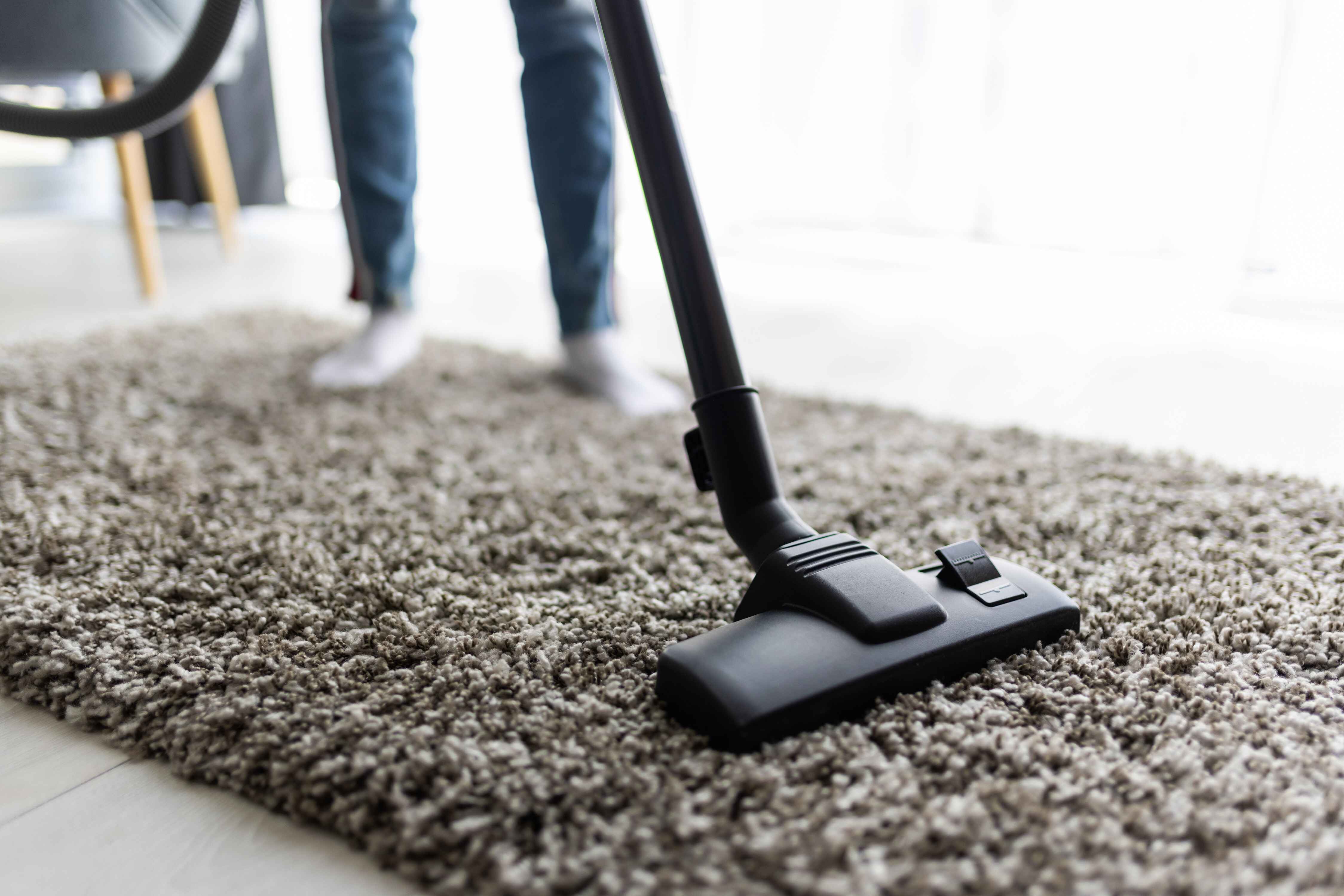
A powerful vacuum removes loose grit, hair and dust first. Dry soil makes up most of the dirt in a carpet, and removing it before any wet cleaning stops it turning into muddy residue.
3. Pre treatment
A pre spray matched to the fibre is applied to break down oily soiling, and spot treatments go on stains such as coffee, wine or food.
4. Agitation
The pre treatment is worked into the pile with a brush or rotary machine so it reaches the base of the fibres.
5. Extraction or low moisture cleaning
The loosened dirt is removed by hot water extraction or a low moisture method, depending on the carpet and the setting.
6. Rinse, grooming and drying
A neutral rinse removes any residue, the pile is groomed in one direction, and air movers can be used to speed up drying.
Hot Water Extraction
Hot water extraction sprays hot water and a cleaning agent into the carpet under pressure and immediately sucks it back out with a powerful vacuum. It reaches deep into the pile and is the method many carpet manufacturers recommend for periodic deep cleaning. Our guide to steam carpet cleaning covers this method in more detail.
Dry Carpet Cleaning
Dry carpet cleaning, also called low moisture cleaning, uses very little water. A cleaning compound or encapsulation chemical is worked into the pile, where it attracts and binds dirt, and the residue is vacuumed away once dry. Carpets are usually ready to walk on within 1 to 2 hours, which suits offices, shops and hotels that cannot close for long.
Encapsulation
An encapsulation chemical dries into crystals around dirt particles, which are then removed by vacuuming. It works well for regular maintenance of commercial carpet tiles.
Bonnet cleaning
A rotary machine spins an absorbent pad over the carpet. It refreshes the appearance quickly but cleans mainly the top of the pile.
Which Method Suits Your Carpet?
- Heavily soiled home carpets: hot water extraction.
- Wool or delicate carpets: careful extraction or low moisture cleaning with wool safe products.
- Offices and shops that need to reopen quickly: dry cleaning or encapsulation.
- Rugs: often cleaned with specialist methods, sometimes off site.
How Long Do Carpets Take to Dry?
After hot water extraction, most carpets dry within 4 to 8 hours. Thick wool carpets, cold rooms and damp weather slow it down. Open windows, keep the heating on and use fans to speed things up, and keep outdoor shoes off the carpet until it is dry. Low moisture methods dry in 1 to 2 hours.
What Results to Expect on Stains and Odours
Most everyday stains, including food, drinks, mud and traffic marks, come out with professional pre treatment and extraction. Some marks are permanent, such as bleach spots, dye transfer and stains that have been set by heat. Pet odours need an enzyme treatment that reaches the backing and underlay, not just the surface of the pile.
How to Prepare for a Carpet Clean
- Move small furniture, toys and ornaments off the carpet.
- Vacuum the room the day before if you can, so the clean focuses on embedded dirt.
- Point out stains and tell the technician what caused them, as the treatment depends on the cause.
- Plan to keep children and pets off the carpet until it is dry.
- Open windows or switch the heating on after the clean to speed up drying.
Booking a Professional Carpet Clean
If your carpets look dull after vacuuming, smell stale or have stains that keep coming back, professional carpet cleaning services can restore them using the method that suits the fibre and the room.
Professional Carpet Cleaning FAQs
How does professional carpet cleaning work?
A technician inspects the carpet, vacuums out loose dirt, applies a pre treatment matched to the fibre and works it into the pile. The dirt is then removed by hot water extraction or a low moisture method, followed by a rinse and grooming. Each step targets a different type of soiling in the carpet.
What is dry carpet cleaning?
Dry carpet cleaning is a low moisture method that uses very little water. A cleaning compound or encapsulation chemical is worked into the carpet, where it binds to dirt, and is vacuumed away once dry. Carpets are usually ready to use within 1 to 2 hours, which suits busy offices and shops.
Is steam cleaning or dry cleaning better for carpets?
Hot water extraction, often called steam cleaning, gives the deepest clean and suits heavily soiled carpets in homes. Dry cleaning is faster to dry and suits regular maintenance in commercial spaces. Many businesses use dry methods between visits and book hot water extraction once or twice a year.
How long does it take carpets to dry after professional cleaning?
After hot water extraction, most carpets dry in 4 to 8 hours. Thick wool carpets, cold rooms and damp weather take longer. Low moisture methods dry in 1 to 2 hours. Open windows, keep the heating on and use fans to speed drying, and keep outdoor shoes off until it is dry.
Can professional carpet cleaning remove all stains?
It removes most everyday stains, including food, drinks, mud and traffic marks. Some stains are permanent, such as bleach spots, dye transfer and marks that have been set by heat or harsh chemicals. A good technician will tell you before starting which stains are likely to lift fully and which may only fade.