
Which materials are good for eco-friendly carpet cleaning?
There is nothing quite like the warmth, comfort, and aesthetic appeal that a plush carpet brings to a home. However, keeping those woven floorings in pristine condition is an entirely different story. From muddy footprints and accidental wine spills to the everyday accumulation of dust, carpets are absolute magnets for mess.
If you find yourself staring at a stubborn blemish and wondering, "Which materials are good for carpet cleaning?", you are certainly not alone. The market is saturated with options, ranging from harsh industrial chemicals to gentle, natural remedies. Choosing the right product is essential not only for effectively lifting dirt but also for preserving the lifespan and colour of your flooring.
In this comprehensive guide, we will explore the best carpet cleaning materials available, breaking down everything from eco-friendly pantry staples to professional-grade solutions. Along the way, you will find practical carpet maintenance tips you can apply daily. For those who prefer expert assistance, Professional Carpet Cleaning Services are available to ensure your carpets receive the highest standard of care.
The Magic of DIY and Natural Solutions
For routine maintenance and fresh spills, you do not always need to reach for heavy-duty chemicals. In fact, diy carpet cleaning has seen a massive resurgence, driven by a growing desire for eco-friendly carpet cleaning methods that are safe for both children and pets.
Pantry Staples That Pack a Punch
One of the most reliable eco-friendly carpet cleaning alternatives is something you likely already have in your kitchen cupboards: the classic baking soda and white vinegar solution.
Baking soda is a natural alkaline powder that excels at absorbing odours and lifting greasy residues. When lightly misted with white vinegar (a mild acid), the resulting chemical reaction creates a bubbling effect that physically lifts dirt and grime from the carpet fibres.
How to use it:
- Sprinkle a generous layer of baking soda over the stain.
- Lightly spray a mixture of equal parts water and white vinegar over the powder.
- Allow the mixture to bubble and sit for 15 to 20 minutes.
- Blot the area dry, and once fully dried, hoover up any remaining powder.
Safe and Green Ingredients
If you prefer to buy ready-made products but want to avoid harsh toxins, it pays to read the label. Look for eco-friendly cleaners and non-toxic carpet shampoo ingredients such as plant-based surfactants (like lauryl glucoside), natural enzymes, and essential oils for fragrance. These materials break down dirt without leaving behind the sticky chemical residues that actually attract more grime over time. As a Trusted Cleaning Company, we prioritize eco-friendly solutions that deliver exceptional results without compromising your family's safety.
Commercial Carpet Cleaning Supplies
While natural methods are brilliant for light upkeep, older stains and heavily soiled areas often require something more robust. When building your arsenal of carpet cleaning supplies, understanding the chemistry behind the products is crucial.
Tackling Pet Accidents and Biological Stains
Pet owners know the unique frustration of dealing with muddy paws and accidents. Standard soaps simply mask the smell, which is why finding the best enzymatic carpet cleaner for pet stains is an absolute game-changer. For a comprehensive approach to managing pet-related messes, refer to our detailed Pet Stain Removal Guide.
Enzymatic cleaners contain beneficial bacteria that produce enzymes to break down biological matter—such as urine, faeces, or vomit—at a molecular level. Instead of just cleaning the surface, these enzymes digest the odour-causing proteins until the mess is completely eradicated.
Choosing the Right Chemical Base
When browsing the shelves for the best carpet cleaners, you will likely have to choose between different chemical compositions. Understanding solvent-based vs water-based carpet cleaners is vital for effective stain removal:
- Water-based cleaners: These are your everyday heroes. They are excellent for dirt, mud, and water-soluble stains (like tea or soft drinks). They are generally safer, gentler, and easier to rinse out.
- Solvent-based cleaners: These are formulated with chemicals designed to dissolve oils, grease, tar, and chewing gum. They should be used sparingly and in well-ventilated areas, primarily as targeted spot treatments rather than general shampoos.
Pre-Treating for Success
For hallways and living room entrances, dirt gets ground deep into the pile. Using a pre-treatment spray for heavy traffic areas is one of the best carpet cleaning materials you can invest in. These alkaline sprays are applied 10 to 15 minutes before your main cleaning process. They work to loosen the oily binders holding the dirt to the fibres, making the subsequent extraction significantly more effective.
Tailoring Materials to Your Carpet Type
Not all carpets are created equal, and using the wrong product can result in disastrous, irreversible damage.
Protecting Delicate and Natural Fibres
Natural fibres, particularly wool, require the utmost care. Wool carpet cleaning precautions dictate that you must avoid high heat, excessive moisture, and high-alkaline chemicals (which can permanently strip the natural oils and cause the fibres to turn brittle or yellow).
When dealing with high-end floorings, always opt for pH-neutral cleaning agents for delicate rugs. These solutions safely suspend soil without altering the pH balance of the natural material, protecting both the dye and the structural integrity of the weave.
Managing Synthetic Fibres and Tough Spills
Synthetic carpets (like nylon, polyester, and polypropylene) are much more forgiving and naturally stain-resistant. However, certain spills can still cause panic. Take removing red wine stains from synthetic fibres, for instance. Because synthetics do not absorb liquids as readily as natural fibres, you have a larger window of opportunity.
Steps for synthetic wine removal:
- Immediately blot up as much liquid as possible.
- Apply a mixture of washing-up liquid and warm water, or a targeted oxygen-based stain remover.
- Work from the outside of the stain inwards to prevent spreading.
- Rinse thoroughly with cold water to remove soapy residue.
Navigating Pile Depths
The depth of your carpet drastically changes how you should approach cleaning. If you are wondering how to deep clean high-pile carpets (such as luxurious Saxony or shag rugs), the secret lies in agitation and penetration. Dirt easily hides at the base of long yarns. You must use liquid cleaning solutions sparingly to avoid waterlogging the thick base, and rely heavily on thorough, multi-directional hoovering before and after the application of any cleaning agents.
Essential Tools of the Trade
When discussing effective materials, we cannot ignore the physical implements used to apply them. Even the most advanced carpet stain removers will fail if applied incorrectly.
The Agitator: Scrubbing vigorously with a stiff brush can cause "fuzzing" or untwist the carpet yarns. Instead, use a soft bristle agitation brush. This tool allows you to gently work the cleaning solution into the pile, coating every side of the fibre without causing friction damage.
The Absorber: Ditch the abrasive paper towels. A clean, white microfibre cloth for blotting spills is indispensable. Microfibre is highly absorbent and traps microscopic dirt particles. Using a white cloth also ensures that no rogue dyes are transferred from the cloth to your carpet during the cleaning process.
Advanced Techniques: Matching Methods to Materials
To truly understand which materials work best, it helps to understand the advanced cleaning methods used by professionals and enthusiastic homeowners alike.
Hot Water Extraction vs Steam Cleaning
These terms are often used interchangeably, but they are fundamentally different.
- Steam Cleaning: Uses actual vapour (heated past boiling point) to sanitise carpets. While great for killing bacteria, it doesn't always flush out heavy soil.
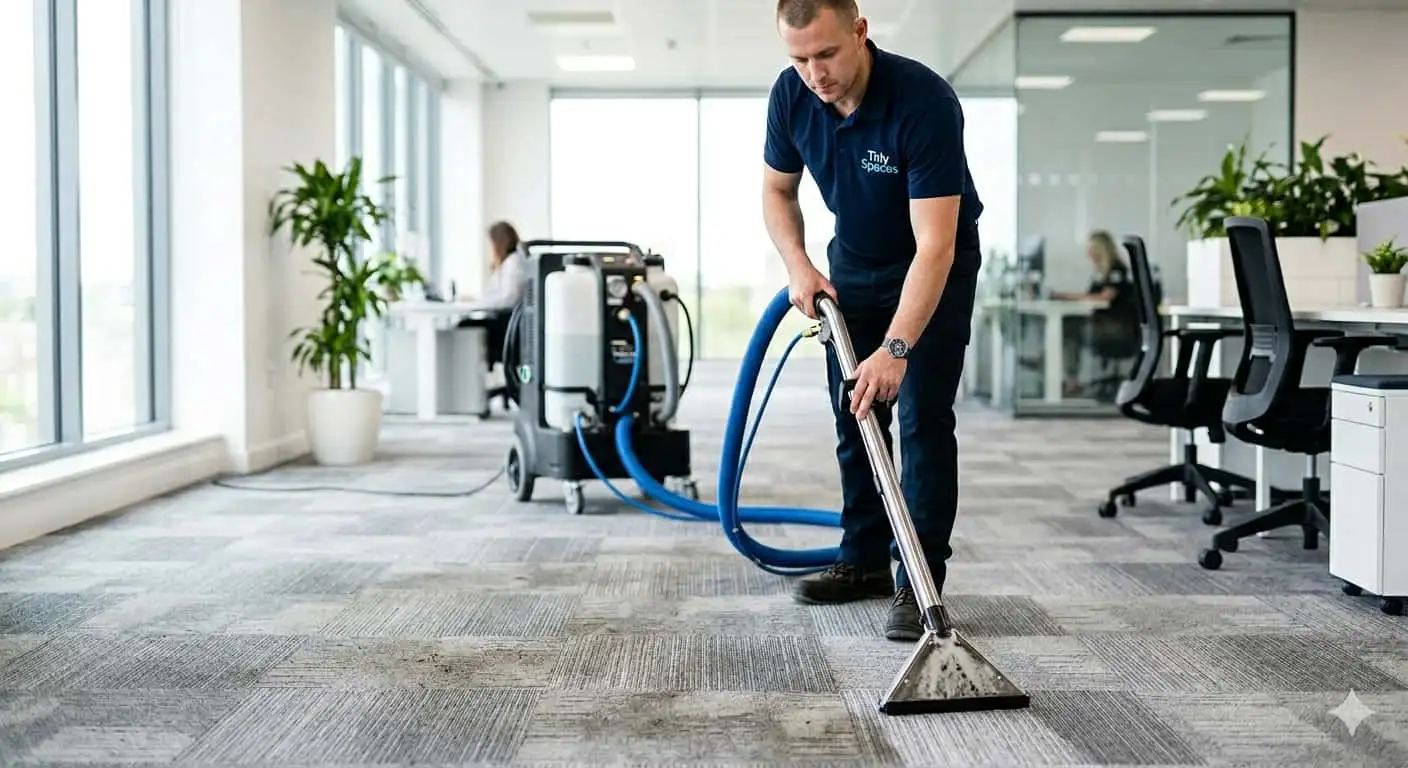
- Hot Water Extraction: This is the gold standard method. It involves injecting highly pressurised, hot water (mixed with a cleaning solution) into the carpet and immediately vacuuming it back out. This method physically flushes the dirt and the cleaning materials out of the pile, leaving the carpet thoroughly refreshed.
Encapsulation Cleaning vs Shampooing
Traditional carpet shampooing involves creating a thick foam to lift dirt. The major downside is that it often leaves a sticky, soapy residue behind, which rapidly attracts new dirt.
This has led to the rise of encapsulation cleaning. But what is encapsulation cleaning vs shampooing? Encapsulation uses specialized synthetic detergents that crystallise as they dry. These chemicals surround (encapsulate) the dirt particles. Once the carpet is completely dry, you simply hoover up the brittle crystals. It leaves absolutely zero sticky residue behind, keeping carpets cleaner for longer.
The Rise of Low-Moisture Systems
Another modern approach is Very Low Moisture (VLM) cleaning. The low-moisture carpet cleaning benefits are vast, particularly for busy households or commercial spaces. Because this method uses specialised compounds and minimal water, the carpet dries in a matter of an hour or two. This rapid drying completely eliminates the risk of damp smells, mould growth, and shrinkage, making it a highly desirable technique for both natural and synthetic carpets.
Conclusion
So, which materials are good for carpet cleaning? The honest answer is that it depends entirely on the nature of the mess and the makeup of your flooring.
For quick, everyday maintenance and households striving for a greener lifestyle, natural mixtures like baking soda and vinegar remain unparalleled. When biology strikes, enzymatic cleaners are your ultimate saviour. For high-traffic areas and ground-in grime, investing in advanced pre-treatments and encapsulation formulas will yield professional-tier results.
Remember, the secret to a flawless carpet is not just about dumping a powerful chemical onto a stain. It is about pairing the correct carpet cleaning supplies with gentle agitation, appropriate moisture levels, and the right extraction method. Always tackle spills immediately, perform a spot-test in an inconspicuous area before applying new products, and treat your carpet's fibres with the respect they deserve. With the right materials in your cupboard, you can ensure your carpets remain plush, vibrant, and welcoming for years to come.
Q&A
Question: What's a reliable natural DIY cleaner for carpets, and how do I use it?
Short answer: A baking soda and white vinegar combo is a proven, eco‑friendly option. Sprinkle baking soda over the spot, lightly mist with a 1:1 mix of water and white vinegar, let it bubble for 15–20 minutes, then blot and, once dry, hoover up the residue. It's great for fresh spills and routine upkeep, and it's family- and pet‑friendly—just remember to spot‑test first and avoid over‑wetting.
Question: When should I use an enzymatic cleaner, and why is it so effective for pet stains?
Short answer: Use enzymatic cleaners for biological messes—urine, faeces, or vomit. They contain beneficial bacteria that produce enzymes to break down odour‑causing proteins at a molecular level, eliminating the source rather than just masking smells (as standard soaps often do).
Question: Should I choose a water‑based or a solvent‑based cleaner for a stain?
Short answer: Match the chemistry to the soil. Water‑based cleaners are ideal for everyday dirt, mud, and water‑soluble stains (tea, soft drinks); they're generally gentler and easier to rinse. Solvent‑based cleaners excel on oils, grease, tar, and chewing gum; use them sparingly, as targeted spot treatments, and ensure good ventilation.
Question: What materials are safest for wool and other delicate fibres?
Short answer: Avoid high heat, excessive moisture, and high‑alkaline chemicals, which can strip natural oils and damage fibres. Choose pH‑neutral cleaning agents labeled for delicate rugs to suspend soil without altering the material's balance, protecting both dyes and the weave. Always perform a spot test first.
Question: Which professional methods work best—steam cleaning, hot water extraction, or newer low‑residue options?
Short answer: Hot Water Extraction is the gold standard for deep cleaning because it injects hot solution and immediately vacuums it out, physically flushing soil. Steam cleaning sanitises with vapour but doesn't always remove heavy soil. For low‑residue maintenance, encapsulation outperforms traditional shampooing by crystallising soil that vacuums away without sticky leftovers. Very Low Moisture (VLM) systems use minimal water for fast drying (often within 1–2 hours), reducing risks of damp odours, mould, and shrinkage.